Many people think palmettos and palm trees are the same. They look similar at first glance. Both have green leaves and grow in warm places. However, these two trees have clear differences.
Let’s explore what sets them apart. Let’s explore what sets them apart and how each one can enhance the look of your garden.
Understanding the Basic Difference
Palmettos belong to one variety among more than two thousand palm varieties worldwide. Both trees come from the Arecaceae family. They grow in similar places.
But the difference between Palmetto vs Palm Tree starts with their classification. A palmetto is a specific type of palm, not all palms are palmettos.
The main thing to remember is simple. All palmettos are palms. But not all palms are palmettos. Think of it like squares and rectangles. Every square is a rectangle, but not every rectangle is a square.
Size Matters: The Most Obvious Difference
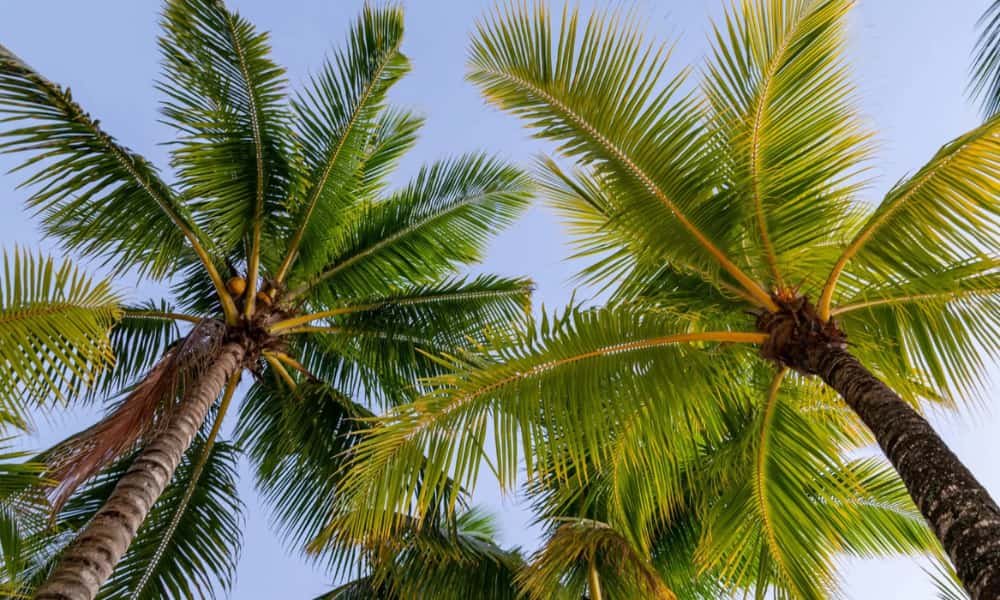
When looking at Palmetto vs palm tree size, you will notice something right away. Palm trees can grow more than 80 feet tall, while palmettos typically reach a maximum height of about 30 feet. This height difference is the easiest way to tell them apart.
Palmettos stay shorter and closer to the ground. Some varieties grow just a few feet tall. Palm trees shoot up high into the sky. Royal palms can tower over buildings. Cabbage palmettos rarely get taller than 40 feet. This size gap helps identify which tree you are seeing.
How They Grow: Trunks and Roots
Growth Patterns
The way these trees grow is different too. Palm tree trunks grow vertically, while palmetto trunks often grow horizontally with their main stem underground. This growth pattern affects how they look.
Bark and Structure
Neither tree has bark like oak or pine trees. They belong to a plant group called monocots. They grow differently from most trees. Palms send their trunks straight up. Palmettos spread out from underground stems. This is why palmettos look bushier at the base.
Leaves Tell a Story
The leaves are another clear way to spot the Palmetto vs Palm Tree difference. Palmetto leaves fan out wider than palm leaves and have small serrations on the edges. This is why one type is called “saw palmetto.” The edges feel rough like a saw blade.
Palm leaves are different. They are thinner and shaped like feathers. They grow in a spiral pattern from the top of the tree. Palm leaves can reach 36 inches long. Palmetto leaves spread out like an open hand. They can grow up to 30 inches long and much wider than palm leaves.
Palmetto Tree Fruit and Palm Tree Fruit
What Palmetto Trees Produce
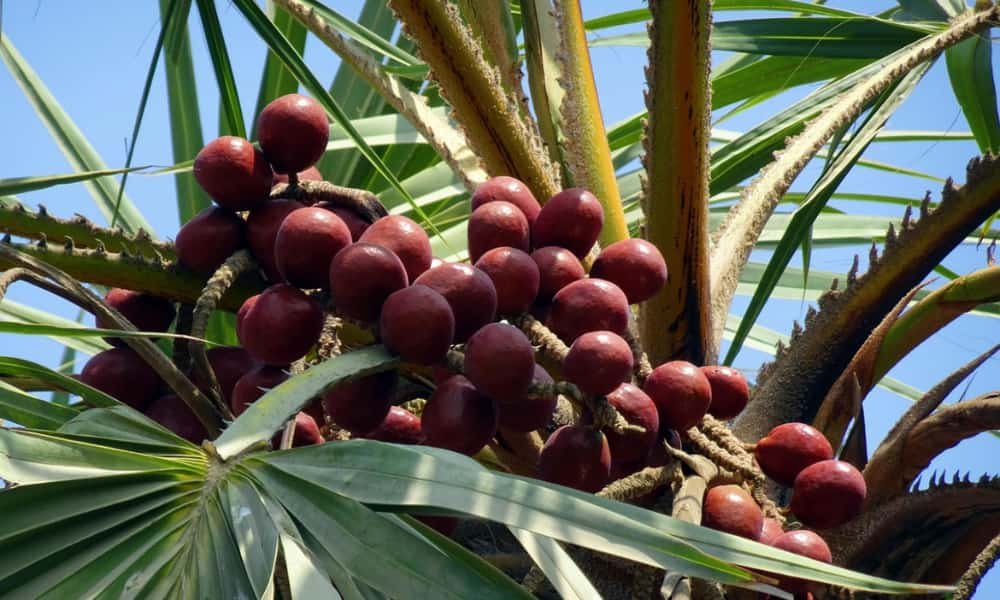
Here is where things get interesting. These trees produce very different fruits. Palmetto trees produce small berries up to one inch long that ripen to black, while palm trees produce dates or coconuts. The palmetto tree fruit is much smaller and simpler.
Palmetto Berry Features
Birds and small animals love palmetto berries. The fruits grow in dense clusters. They start out yellow or green. When ripe, they turn dark blue or black. These berries are not usually eaten by people. Some are used in herbal medicines.
Palm Tree Fruits
Palm trees make bigger, tastier fruits. Coconut palms grow hard coconuts. Date palms produce sweet dates. Queen palms make bright orange dates. These fruits are important food sources. Coconuts can even be dangerous when they fall from tall trees.
Where They Live
Climate Preferences
Both trees like warm weather. They grow best in tropical and subtropical areas. However, palmettos are tougher in some ways. They can handle colder temperatures better than many palm trees.
Native Habitats
Palmettos are cold-hardier and can survive fire, while palm trees are better at surviving hurricanes. Palmettos grow wild from Texas to the Carolinas. They are native to the southeastern United States. Palm trees grow all over the world in warm climates.
Visual Differences You Can See
When searching for Palmetto vs palm tree pictures, look for these signs. Palmettos have wider, fan-shaped leaves with rough edges. They stay shorter. Their trunks often look stockier. They might grow in clumps at ground level.
Palm trees have tall, slender trunks. Their leaves are thinner and feathery. They stand alone and reach toward the sky. The trunk goes straight up without branching. These visual clues help you identify each tree quickly.
Flowers and Blooms
The flowers of these trees differ too. Palmetto flowers appear as lance-like sticks that can be yellow or white, while palm trees produce plumes of soft, white, feathery flowers. Palmetto flowers are not very showy. They are often plain and stick-like.
Palm tree flowers are more dramatic. Queen palms and desert palms have fluffy white blooms. These flowers smell sweet. Birds use the soft parts to build nests. Insects visit the flowers often.
Uses and Value
Both trees have been useful to people for centuries. Native Americans used palmettos for many things. The leaves made good roofing material. The fruits provided food during hard times. The fibres were used for baskets and rope.
Palm trees give us food, oil, and building materials. Coconut oil comes from coconuts. Palm oil is used in cooking and products. The wood builds houses in tropical areas. Date palms provide sweet fruit sold worldwide.
Which Tree Is Right for Your Yard?
If you live in the Southeast United States, palmettos are a great choice. They handle cold better. They need less space. They stay manageable in size. The saw palmetto makes good ground cover.
For a tropical look with height, choose a palm tree. They create dramatic landscapes. They give lots of shade. Just make sure you have the right climate. They need warm weather all year in most cases.
Read Also: Garden Advice Homenumental
Frequently Asked Questions
Is a palmetto tree a tree?
Yes, a palmetto is considered a tree despite its shorter height. It belongs to the palm family and has a woody trunk structure that grows vertically from underground stems.
What does a palmetto tree look like?
A palmetto has wide, fan-shaped leaves with saw-like edges. The trunk is stocky and grows up to 30 feet tall. The leaves cluster at the top and spread outward.
Can palmetto trees survive cold weather?
Palmetto trees are more cold-hardy than most palms. They can survive light freezes and are native to areas where temperatures occasionally drop below freezing during the winter months.
What animals eat palmetto berries?
Birds, raccoons, squirrels, and deer eat palmetto berries. The small black fruits provide important nutrition for wildlife throughout fall and winter when other food becomes scarce.
How fast do palmetto trees grow?
Palmettos grow slowly compared to other palms. They may only add a few inches per year. The saw palmetto is especially slow and can live for hundreds of years.
Final Thoughts
The Palmetto vs Palm Tree question has a clear answer now. These trees share a family but have real differences. Palmettos stay shorter with wider leaves and small berries. Palm trees grow tall with feathery leaves and larger fruits.
Both trees add beauty to landscapes. Both survive in warm climates. Understanding their differences helps you identify them. It also helps you choose the right one for your yard. Next time you see these trees, you will know exactly which one you are looking at. For more information about gardening, visit Interiors Land.