Bringing a new plant into your home is an exciting experience. But when you have a furry friend (a Cat), safety comes first. Many cat owners wonder if their money tree will harm their pets. The good news will put your mind at ease.
What is Money Tree?
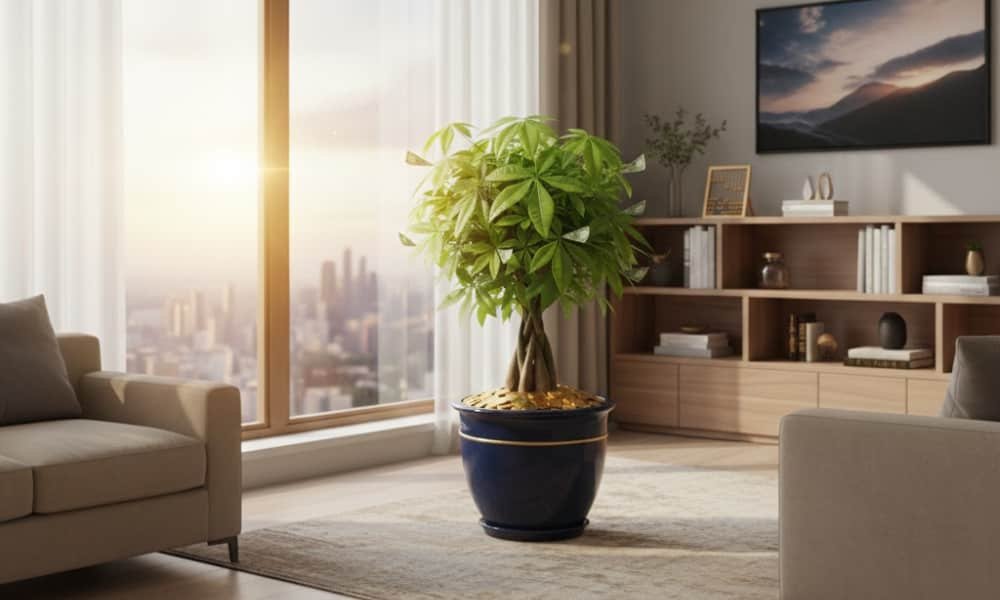
The money tree, known scientifically as Pachira aquatica, has become popular in home gardening worldwide. This plant features a braided trunk and bright green leaves. It adds beauty to any room. Pet owners can breathe easy knowing this plant is safe around their cats.
Are Money Trees Toxic to Cats?
The simple answer is no. Money trees are not toxic to cats. The ASPCA confirms that this pet-friendly house plant poses no danger to your feline companions. This makes it an excellent choice for homes with pets.
The plant contains no harmful chemicals that cause severe reactions. Your cat can live safely in the same space as this beautiful houseplant. This is great news for people who love both plants and pets.
What Happens If Your Cat Chews the Leaves?
Cats are curious creatures. A young cat might nibble on leaves out of boredom or curiosity. While money trees are safe, eating plant material can still cause mild problems.
Your cat might experience some stomach upset. This could include vomiting or loose stools. These symptoms are usually mild and temporary. The plant itself is not poisonous, but overeating of any plant can irritate your pet’s stomach.
Signs to Watch For
If your cat eats money tree leaves, watch for these signs:
- Mild vomiting
- Diarrhea
- Drooling
- Loss of appetite
These symptoms typically pass quickly. However, if your cat seems very sick or symptoms continue, call your veterinarian. They can provide proper guidance for your specific situation.
Hidden Dangers to Consider
The money tree plant is safe, but other factors need attention. Chemicals used on plants can harm your cat. Pesticides and fertilizers may cause digestive issues if ingested.
Always use pet-safe products on your plants. Check the soil for any harmful additives. Keep your cat away from plants when applying treatments. Wait until everything dries completely before letting pets near the plant.
Money Tree Care Basics
Taking good care of your money tree keeps it healthy and beautiful. Healthy plants are less likely to drop leaves that might tempt your cat to play.
Light Requirements: Place your money tree in bright, indirect sunlight. Too much direct sun can burn the leaves. Too little light causes yellowing and slow growth.
Watering Schedule: Water when the top inch of soil feels dry. This usually means watering every one to two weeks. Overwatering causes root rot, which is the most common problem with these plants.
Temperature: Money trees prefer temperatures between 65 and 85 degrees Fahrenheit. Keep them away from cold drafts and air conditioning vents.
Humidity: These plants enjoy humid environments. Light misting helps keep leaves vibrant. You can also place the pot near other plants to increase humidity naturally.
Why Cats Are Attracted to Money Trees
Understanding why cats chew plants helps prevent the behavior. Cats are naturally curious about their environment. The dangling leaves of a money tree can look like toys.
Boredom is a common reason cats play with plants. They need mental stimulation and physical activity. Providing enough playtime reduces unwanted plant chewing.
Some cats eat plants to help with digestion. This instinct comes from their wild ancestors. Offering cat grass gives them a safe alternative to your houseplants.
Keeping Your Cat Away from Plants
Even though money trees are safe, you probably want to protect your plant. Here are simple ways to discourage your cat from bothering it:
Physical Barriers: Place plants on high shelves where cats cannot reach. Hanging planters work well for smaller money trees. You can also use a room your cat does not access.
Natural Deterrents: Cats dislike the smell of citrus. Place orange or lemon peels around the base of the plant. Be careful not to let citrus juice touch the plant or irritate your cat’s nose.
Trim Dangling Leaves: Keep your money tree well-groomed. Cut back any leaves that hang down temptingly. This makes the plant less interesting to playful cats.
Provide Alternatives: Give your cat their own grass to chew. Cat grass or catnip plants satisfy their urge to nibble greenery. Interactive toys keep them busy and entertained.
Training: Use positive reinforcement when your cat ignores the plant. Redirect them gently when they show interest. Never punish your cat, as this does not work well with felines.
Other Safe Plants for Cat Owners
If you want to expand your plant collection, several options are safe for cats:
- Spider plants
- Boston ferns
- Parlor palms
- Areca palms
- Orchids
- African violets
Always research any new plant before bringing it home. Even safe plants can cause mild stomach upset if eaten in large amounts.
What is the Most Toxic Plant to a Cat?
Lilies are the most dangerous plants for cats. All parts of lily plants are extremely toxic. Even small amounts can cause kidney failure and death. Other highly toxic plants include azaleas, sago palms, and oleander.
Keep these plants completely out of your home if you have cats. Even pollen from lilies can harm your pet if they lick it from their fur. The risk is simply too high to take chances.
Read Also: Hanging Plants Safe for Cats
Creating a Pet-Safe Home
Building a safe environment for your pets requires planning. Before adding any plant to your home, check its safety rating. The ASPCA maintains a searchable database of toxic and non-toxic plants.
Place potentially harmful plants in rooms your cat cannot enter. Always supervise your pet around new plants until you know their behavior. Some cats ignore plants completely, while others cannot resist investigating.
Keep emergency numbers handy. Save your veterinarian’s number in your phone. Quick action can make a big difference in an emergency.
Common Mistakes to Avoid
Many plant owners make simple errors that put pets at risk. Do not assume all “money plants” are the same. Several different plants go by this name. True money trees (Pachira aquatica) are safe, but jade plants and pothos are toxic to cats.
Never use leftover plant material in areas where your cat plays. Dead leaves and stems can still attract curious pets. Clean up any fallen plant debris promptly.
Do not rely solely on your cat’s instincts. While cats often avoid harmful plants naturally, this is not foolproof. Young cats, especially, may try eating things they should not.
Frequently Asked Questions
Is Chinese money tree toxic to cats?
No, the Chinese money plant (Pilea peperomioides) is non-toxic to cats. However, eating large amounts may cause mild stomach upset like vomiting or diarrhea, so discourage regular chewing.
Are money trees easy to care for?
Yes, money trees are excellent for beginners. They need bright, indirect light and watering every one to two weeks. They tolerate some neglect and adapt well to indoor conditions.
What is the most toxic plant to a cat?
Lilies are the most toxic plants to cats. All parts cause kidney failure, even in tiny amounts. Other dangerous plants include azaleas, sago palms, and autumn crocus plants.
Can cats be in the same room as money trees?
Absolutely. Cats can safely share space with money trees. The plant itself poses no airborne danger. Just discourage your cat from chewing on leaves to prevent stomach upset.
How do I stop my cat from eating my money tree?
Try placing the plant out of reach, using citrus deterrents, providing cat grass alternatives, and keeping your cat entertained with toys. Trim dangling leaves that attract playful cats.
Conclusion
Money trees are a beautiful addition to any home and are generally safe for cats. While they are not toxic, chewing can cause mild stomach upset, so it is important to monitor your pets. With proper placement, care, and pet-friendly plant choices, you can enjoy greenery without worry.
For those looking to enhance their living space further, Interiors Land offers expert advice on home improvements, creating cat-safe gardens, and selecting plants that are both beautiful and safe for your furry friends.
Transform your home into a stylish, safe, and green haven for both humans and pets today.