Your snake plant sits in the corner of your room, looking strong and healthy. But have you ever wondered if you are using the right soil? Many plant lovers ask this question. The answer might surprise you.
Choosing the right soil makes a big difference in plant health. Your snake plant needs proper care to thrive. Today, we will discuss cactus mix and its effectiveness for these popular houseplants.
What Is Cactus Mix?
Cactus mix is a special type of soil blend. It is made for plants that do not like wet roots. This soil drains water very quickly.
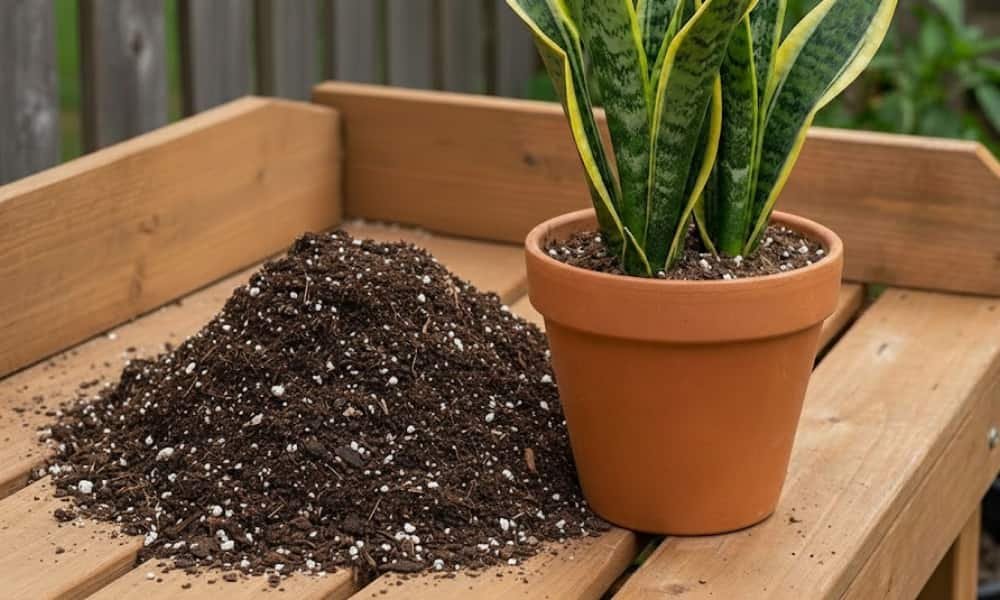
The mix usually contains sand, perlite, and some organic matter. These ingredients create tiny air pockets in the soil. Water flows through these pockets easily instead of sitting around the roots.
Garden stores sell ready-made cactus mix in bags. You can also make your own at home. Most cactus mixes feel light and gritty when you touch them. They dry out faster than regular potting soil.
This type of soil works great for desert plants. Cacti and succulents love it because it mimics their natural growing environment.
Do Snake Plants Need Cactus Mix?
Snake plants do really well in cactus mix. These plants are actually succulents, even though they look different from typical succulents. The name of the snake plant in botanical terms is Dracaena trifasciata.
These plants store water in their thick leaves. This means they can survive dry periods without much trouble. They hate sitting in soggy soil more than anything else.
Wet roots lead to rot problems quickly. Root rot kills more snake plants than any other issue. Using cactus mix helps prevent this common problem.
Your plant comes from the dry regions of Africa. In nature, it grows in rocky and sandy areas. The soil there drains fast after rain. Cactus mix recreates these natural conditions in your home garden.
So yes, snake plants do benefit from cactus mix. But they are quite flexible. These tough plants can adapt to different soil types as long as drainage stays good.
Benefits of Using Cactus Mix for Snake Plant
Using cactus mix for this plant brings several advantages. Let me share the main benefits with you.
Prevents Overwatering
The biggest benefit is protection from too much water. Cactus mix drains so quickly that excess water flows right through. Your plant roots get moisture without drowning. This is especially helpful if you tend to water too often.
Promotes Healthy Roots
Good drainage means healthy roots. The roots can breathe properly because air reaches them. Strong roots support the entire plant. They help your snake plant grow taller and produce new leaves.
Reduces Disease Risk
Fungal diseases love wet soil. When soil stays moist too long, fungi start growing. Cactus mix dries quickly between waterings. This keeps disease problems away from your plant.
Mimics Natural Habitat
Snake plants evolved in dry environments. Cactus mix recreates those conditions. Your plant feels right at home in this type of soil. Happy plants grow better and look more vibrant.
Easy Maintenance
You can water less frequently with a cactus mix. The soil dries faster than regular mixes. This gives you more room for error. Even busy plant owners find it easier to maintain their snake plants.
Cactus Mix vs Regular Potting Soil
Many people wonder how these two soil types compare. Let me break down the key differences for you.
Regular potting soil holds moisture longer. It contains more organic material, like peat moss or compost. This helps plants that need consistent moisture. Most tropical houseplants prefer this type of soil.
Cactus mix contains less organic matter. It has more sand, perlite, or pumice instead. These materials create better drainage. The soil feels lighter and grittier to touch.
Weight Difference
Regular soil feels heavy and dense. The cactus mix feels much lighter. You can tell them apart just by lifting the bag.
Water Retention
Regular potting soil can stay moist for several days or weeks. Cactus mix dries out within a few days. This is the most important difference for snake plants.
Nutrient Content
Regular soil usually contains more nutrients. Cactus mix has fewer nutrients because it contains less organic matter. You may need to fertilize more often with cactus mix.
pH Levels
Both soil types work well for snake plants. Snake plants tolerate a wide pH range. They grow fine in slightly acidic to neutral soil.
For snake plants, the cactus mix wins most of the time. But some gardeners mix the two. A blend of cactus mix and regular soil creates a good middle ground.
Signs Your Snake Plant Needs a Soil Change
Watch your snake plant for these signs:
- Yellowing leaves
- Mushy or soft roots
- Foul smell from soil
- Slow growth
If you notice these, it may be time to repot in cactus mix for snake plant growth. Healthy soil improves leaf colour, texture, and overall vitality.
How to Use Cactus Mix for Snake Plant
Ready to pot your snake plant in cactus mix? Follow these simple steps for success.
Choose the Right Mix
Buy quality cactus mix from your local garden center. The best cactus mix should feel gritty and light. Check the ingredients on the bag. Look for sand, perlite, or pumice in the mix.
Some gardeners prefer making their own blend. Mix two parts cactus soil with one part potting soil. Add a handful of perlite for extra drainage. This creates a perfect medium.
Select a Proper Container
Pick a pot with drainage holes at the bottom. This is extremely important. Even the best soil cannot help if water has nowhere to go. Terracotta pots work great because they absorb extra moisture.
Repotting Process
Remove your snake plant gently from its old pot. Shake off the old soil from the roots. Check for any damaged or mushy roots. Cut away any rotten parts with clean scissors.
Fill your new pot about one-third full with cactus mix. Place the plant in the center. Add more soil around the sides. Press down gently to remove air pockets. Leave some space at the top of the pot.
Watering After Repotting
Water your newly potted plant lightly. Let the water drain completely through the soil. Do not water again until the soil feels completely dry. This usually takes one to two weeks.
Ongoing Care
Check the soil before watering each time. Stick your finger into the soil about two inches deep. If it feels dry, you can water it. If it feels moist, wait a few more days.
During the winter months, water is used even less frequently. Your plant grows slowly in winter. It needs less water during this time.
Final Tips for Healthy Snake Plant Growth
- Water only when the top inch of soil is dry
- Use pots with drainage holes
- Provide indirect sunlight
- Avoid overfertilizing
- Use the best cactus mix for snake plant for long-term success
Good care with well-draining soil ensures your snake plant remains strong and beautiful.
Read Also: Do Snake Plants Attract Bugs?
Frequently Asked Questions
When should I consider repotting snake plant into fresh soil?
Repot your snake plant every three to four years or when roots emerge from drainage holes. Fresh soil provides better nutrients and improves drainage for optimal growth.
What is the ideal snake plant soil mix ratio for healthy growth?
Mix two parts cactus soil with one part regular potting soil and add perlite. This ratio creates excellent drainage while retaining minimal moisture for healthy root development.
Can I use succulent soil for snake plant without any modifications?
Yes, succulent soil works perfectly for snake plants without changes. Both share similar drainage needs since snake plants are succulents that prefer dry conditions between waterings.
Should I choose tropical or cactus soil for snake plant care?
Choose cactus soil over tropical soil for snake plants. These plants need fast-draining soil like desert cacti rather than moisture-retaining tropical mixes to prevent root rot.
How often should I water snake plant growing in cactus mix?
Water only when soil feels completely dry two inches deep. Cactus mix dries faster than regular soil, typically requiring watering every two to three weeks during growing season.
Final Words
Taking care of your snake plant is simple when you focus on its basic needs. Ensuring proper drainage, gentle watering, and indirect sunlight keeps it healthy and strong. Regularly checking the roots and leaves helps prevent problems early.
With consistent care and attention, your plant will thrive, adding beauty and greenery to your home interior for many years. Healthy habits lead to long-lasting growth and vitality.