Have you ever looked at a room and thought, “Wow, this feels perfect!”? Not too fancy, not too simple, just a cozy, beautiful space where everything fits perfectly. That’s the magic of transitional interior design.
Don’t let the big words scare you! Let’s start by defining them. “Transitional” is a simple way to describe a “combination,” such as when chocolate and vanilla ice cream come together to create something delicious.
In the world of decorating, transitional interior design is a fusion of two popular styles: modern (known for simplicity and elegance) and traditional (known for warmth and classicism). This style combines the best of both to create beautiful, calming, and cozy rooms.
Transitional interior design is a timeless home decor style that combines modern and traditional interiors for a cozy yet elegant look.
In this blog, we’ll explore what makes this Interior design so special and how you can utilize it to create a home that feels just right.
Why Choose Transitional Interior Design?
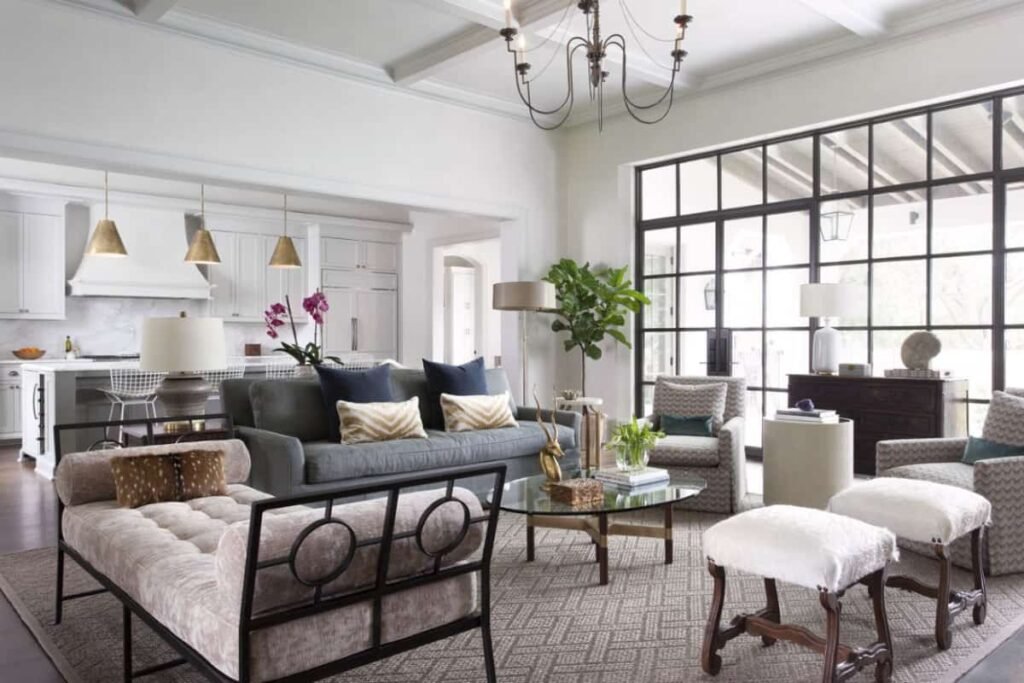
So, why do so many people like transitional interior design?
OK, it’s like combining the best of both worlds. Some people enjoy the clean and simple style of modern places, straight lines, simple colors, and very little clutter.
Others love the charm of traditional homes, warm colors, soft furnishings, and classic details. But what if you love both? That’s why transitional design is so popular, it gives you both without choosing one.
This style makes your home comfortable and stylish. It doesn’t follow fast-moving trends that come and go, but gives you a timeless look that lasts for years.
In addition, it works well for all kinds of houses, big or small, new or old. If you want a calm, balanced, and welcoming space, transitional interior design could be the best for you.
Key Features of Transitional Interior Design
What makes a room truly transitional? Some special features help define this style.
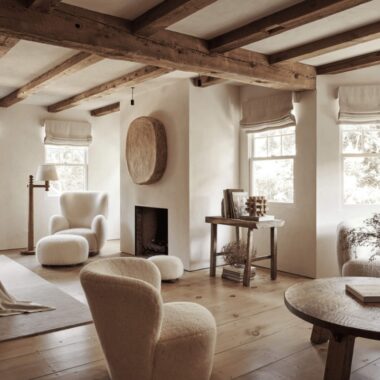
First, transitional interiors generally use a neutral color palette, soft colors such as white, beige, gray, and dark brown. These colors are gentle on the eyes and make the room feel comfortable and welcoming.
Shapes and lines in interior design are simple. You will not find many luxurious or complex decorations. Instead, furniture and details have soft edges and smooth curves.
Another important feature is the mix of materials. For example, wood, metal, glass, and fabric are combined beautifully. This collection creates an aesthetic touch without making the room feel cluttered and busy.
Finally, the transitional rooms have a sense of balance. Nothing feels too heavy or too light. This style merges classic and modern pieces naturally and comfortably. These features create spaces that feel fresh and welcoming, perfect for any home.
How Transitional Interior Design Blends Modern and Traditional
One of the most outstanding aspects of transitional interior design is its ability to combine the best elements of both modern and traditional styles.
The modern design features are clean lines, simple shapes, and organized spaces, which make rooms feel fresh and open. From traditional design, which involves warm colors, comfortable furniture, and beautiful details, it gives a warm and inviting touch.
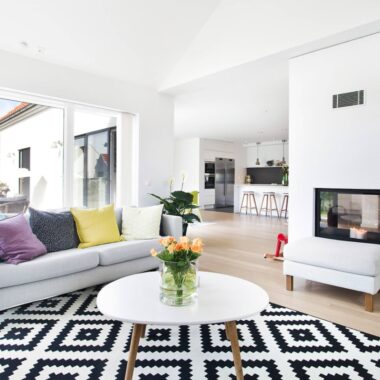
The secret lies in combining various styles. For example, a contemporary sofa with sleek lines can be paired with a classic wooden coffee table. Or it can be attached to simple white walls with luxurious wood floors and soft carpets.
This combination creates a timeless but warm look. It is neither too cool nor too bold, just a perfect balance.
Transitional vs. Other Styles
Understanding how interior design compares to other famous styles of the house can help you determine whether it’s right for your place. Here is how it compares to traditional, modern, contemporary, and minimal aesthetics.
1. Transitional vs. Traditional Interior Design
Traditional design is known for its classic furniture, rich colors, and detailed decor, while transitional interior design softens that look with modern touches. It keeps the charm of tradition but adds clean lines, balanced style, and light, neutral colors for a fresh, timeless feel.
2. Transitional vs. Modern Interior Design
Modern design is based on simplicity, sleek lines, and industrial materials. Transitional interior design softens the hardness of contemporary interiors by adding comfortable textiles, warm colors, and classic furniture.
3. Transitional vs. Contemporary Interior Design
Contemporary design follows the latest trends with open spaces and bold contrasts, while transitional design blends old and new for a timeless, balanced look. Both share clean lines and neutral tones but offer distinctly different vibes.
4. Transitional vs. Minimalist Interior Design
Minimalist design focuses on simplicity, using one-tone colors and minimal décor to create a clean look. Transitional design, while still simple, adds layers, warmth, and structure, making spaces feel both cozy and elegant.
Why Do People Like Transitional Interior Design?
“People love transitional interior design because it feels familiar yet refreshing.” It combines the comfort of traditional style with the simplicity of modern design, creating a place that combines ease and beauty. The timeless nature of its design ensures that it remains in style. Your home will look beautiful over the years.
It is also flexible, i.e., anybody can customize it. You can mix your favorite old furniture with new pieces, use silent neutral colors, and add personal touches. This balance of old and new makes interior design warm, welcoming, and easy to stay in, the best solution for any home.
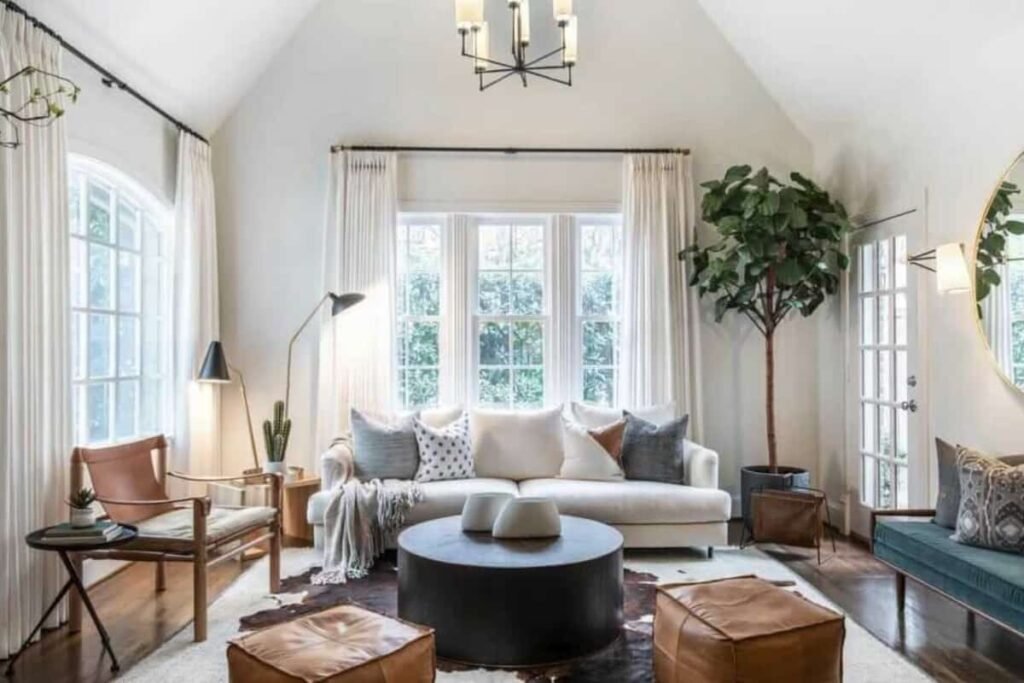
How to Use Transitional Design in Your Home (Simple Tips)
Making a transitional-style home is much easier than it looks! All this is about the best combination of old and new while maintaining simplicity and comfort. Here are some simple tips to get you started:
- Start with neutral colors: Choose soft shades like gray or cream for large pieces of wall and furniture.
- Mix old and new: Mix a classic wooden table with a modern chair or lamps.
- Maintain Sleek Lines: Choose furniture with simple forms—not too fancy, not too overdone.
- Add a touch of structure: Use soft fabrics, smooth metals, or warm wood to make your room feel cozy and comfortable.
- Use some decorations: Don’t overcrowd it—simply add a few pieces of statement, such as a vase, a painting, or cozy pillows.
- Balance the space: Make sure each piece fits together nicely—nothing is too heavy or too simple.
- Use Lightning: Use a light that combines both styles, such as a modern lamp with a vintage base.
With these small changes, your home can feel calm, beautiful, and beautifully balanced—just like interior design should be.
FAQs
1. What is transitional interior design in short?
Transitional interior design combines modern and traditional styles. It uses simple, clean forms to make a fresh, comfortable home with warm, classic touches.
2. Which colors are used in transitional interior design style?
This style uses neutral colors such as white, beige, gray, and soft brown. These calm shades feel comfortable and timeless. You can also add fine, colorful tones through pillows, artwork, or flowers.
3. How can I make my home transitional?
Start with neutral walls and large furniture pieces, then mix old and new items—like a vintage table with a modern lamp. Keep everything simple, warm, and balanced. Don’t crowd more in the room; leave some open space.
4. Is transitional interior design expensive?
not necessary! You can make this form on any budget. Try to recreate your old furniture, paint it in light colors, or mix it with some modern accessories. The goal is to balance what you already have with a fresh touch.
5. Why is transitional interior design so popular?
People like it because it never goes out of the way. The combination of the old and new makes every house feel happy, relaxed, and beautiful. It’s a perfect design—not over the top, not too simple.
Conclusion
Transitional interior design is the best combination of classic charm and modern comfort. It connects the warmth of traditional style with the simplicity of contemporary design, making a balanced and warm space. With its clean lines, neutral colors, and comfortable fabrics, it’s easy to see why many people like it.
Whether you’re redesigning a room or your entire house, interior design allows you to create something special by combining new pieces with pre-existing things, a house that feels fresh and familiar. For more information, you can visit Interiors Land.