Rustic Italian garden designs have inspired people for centuries. These garden designs blend nature and design beautifully. The goal is to create outdoor spaces that feel like an extension of your home.
These gardens tell a calm story with their look. They use basic and natural materials. Stone terracotta and old wood are the main features of this Mediterranean style.
Essential Elements of Rustic Italian Gardens
Natural Stone Pathways
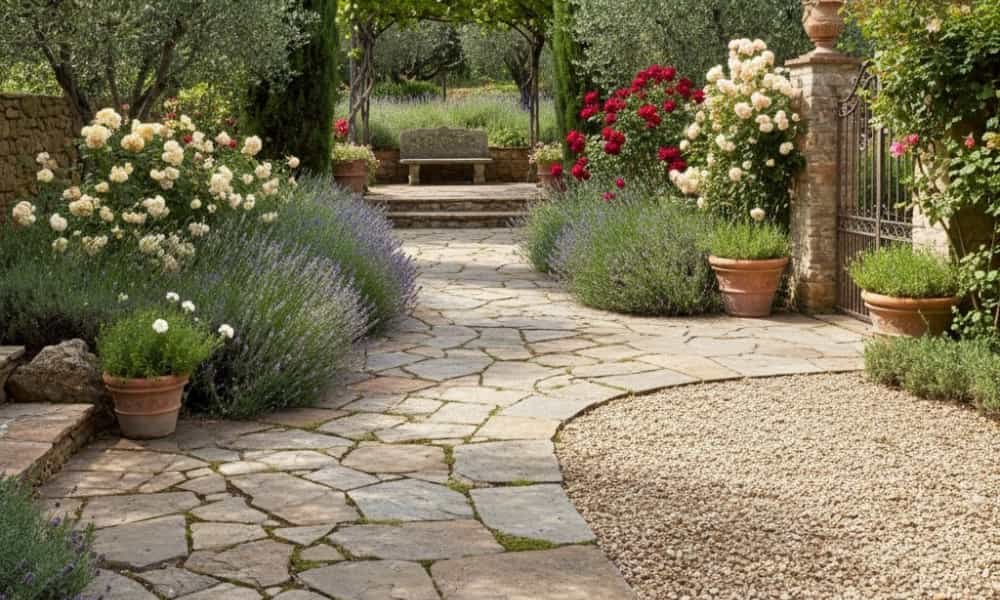
Stone paths are the backbone of any rustic Italian garden. They guide visitors through different garden areas. Use irregular flagstones or weathered pavers for an authentic look.
Gravel paths also work beautifully in these spaces. They create a crunching sound underfoot that adds to the sensory experience. Mix different stone sizes for visual interest.
Terracotta Containers and Pots
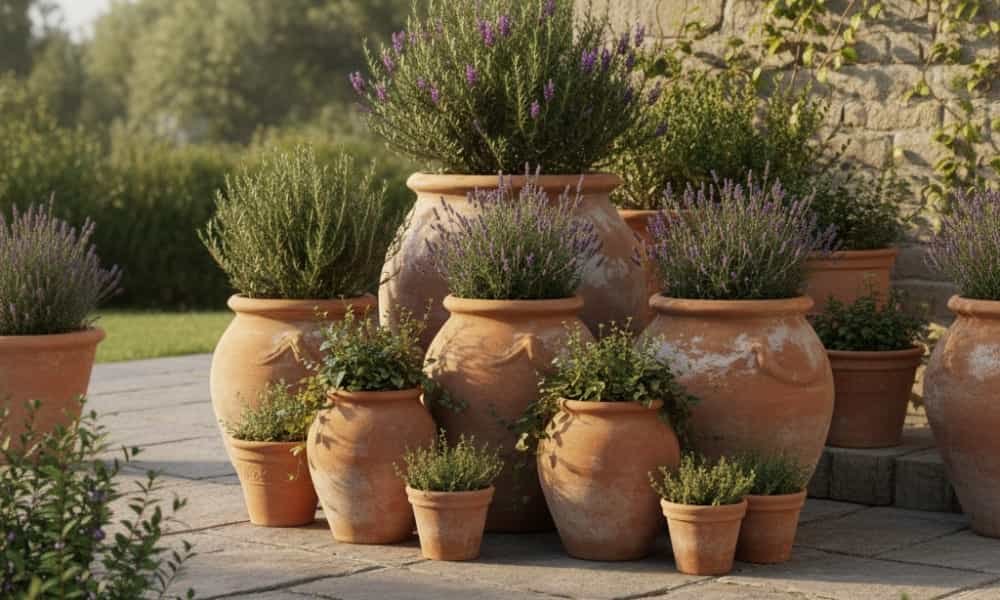
Terracotta brings warmth to your garden space. These clay pots age gracefully over time. They develop a weathered patina that enhances the rustic appeal.
Group pots of different sizes together for impact. Plant them with herbs like rosemary and lavender. The earthy color complements green foliage perfectly.
Water Features
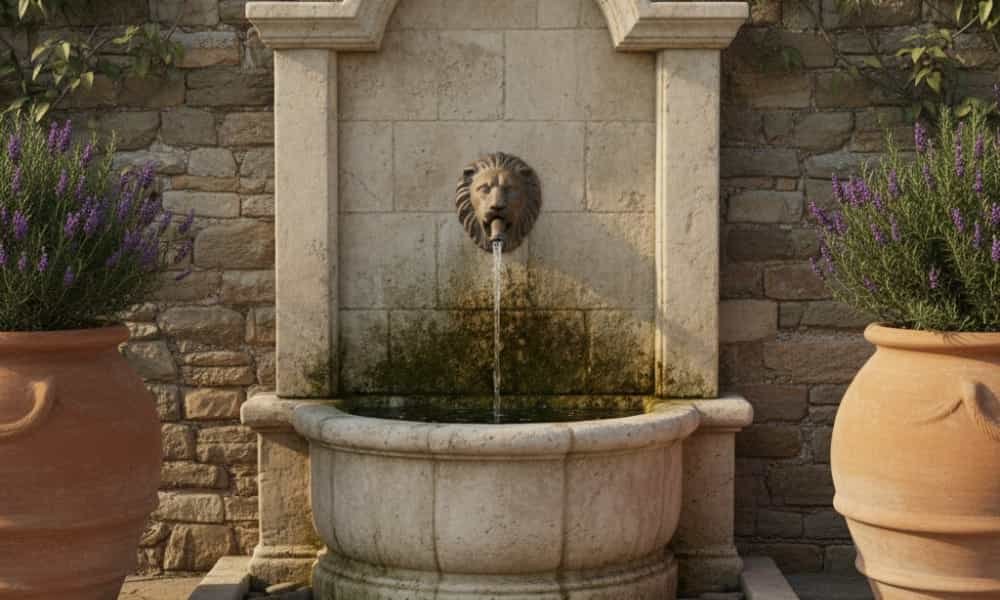
Water adds life and movement to Italian gardens. A simple stone fountain creates a focal point. The sound of trickling water brings tranquility to the space.
You don’t need elaborate designs. A wall-mounted fountain or basic basin works well. Choose weathered stone or aged metal for authentic character.
Creating Your Italian Courtyard Garden
An Italian courtyard garden serves as an outdoor living room. It provides privacy and intimacy in your landscape. High walls or hedges define the boundaries of this special space.
Start with a central focal point like a fountain or statue. Arrange seating around this feature for conversation areas. Use Mediterranean plants to soften hard edges.
Climbing vines on walls add vertical interest. Jasmine and wisteria bring fragrance to the courtyard. They create natural shade during the hot summer months.
Plant Selection for Mediterranean Beauty
Herbs and Fragrant Plants
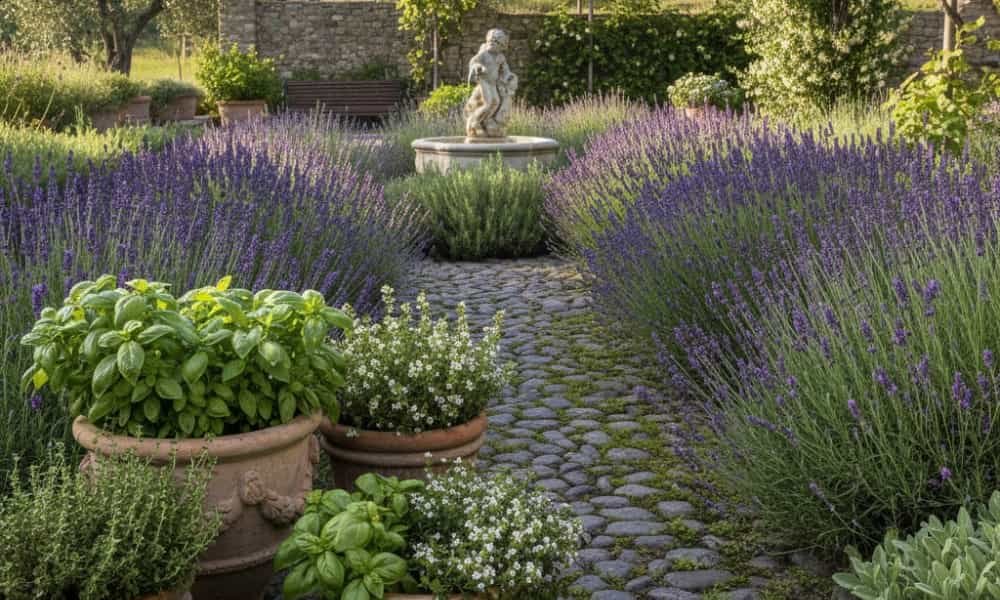
Herbs are essential in Italian gardens. They provide beauty, fragrance, and utility. Plant basil, oregano, and thyme in decorative containers.
Lavender lines pathways beautifully. Its purple blooms and silver foliage suit the Mediterranean palette. The scent reminds you of Italian hillsides.
Evergreen Structure Plants
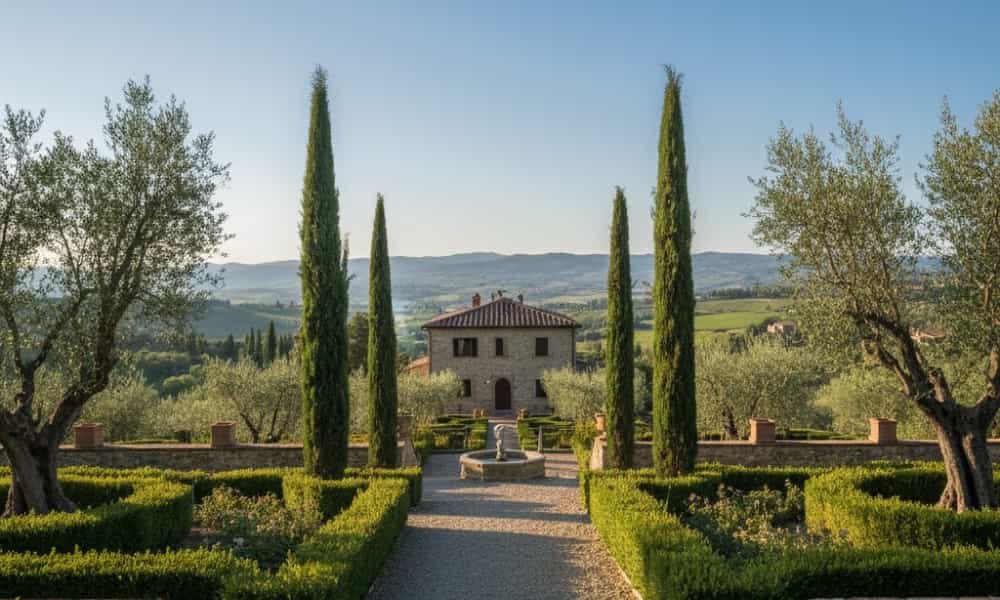
Cypress trees define Italian landscapes. Their tall, columnar shape adds drama to garden design. Plant them as sentinels along pathways or in corners.
Boxwood creates formal structure through hedging. Trim them into simple shapes or let them grow naturally. Olive trees bring authentic Mediterranean character to larger spaces.
Flowering Plants
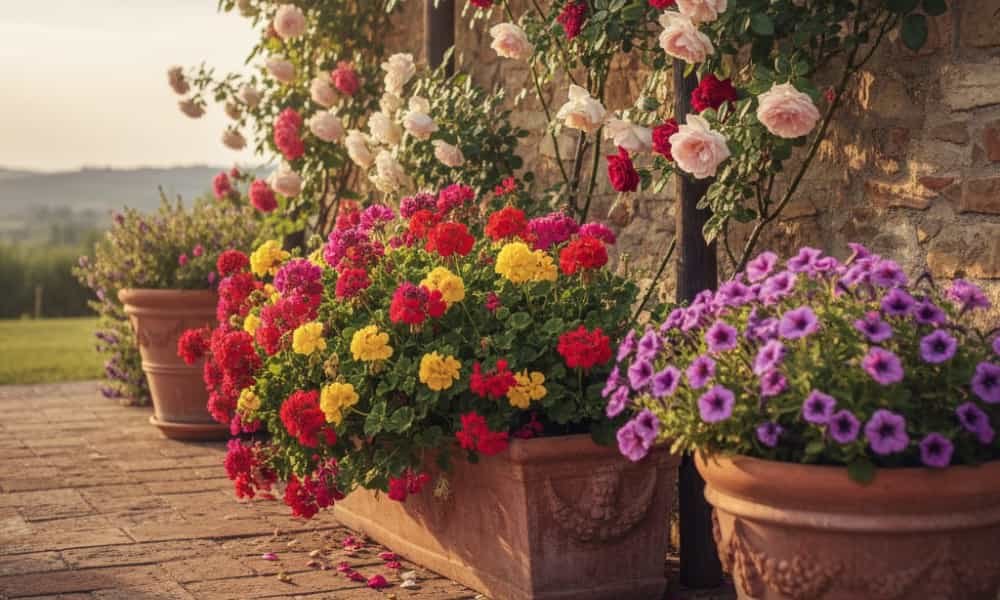
Roses climb walls and arbors throughout Italy. Choose varieties with simple, fragrant blooms. Old garden roses work better than modern hybrids for rustic appeal.
Geraniums spill from window boxes and containers. Their bright colors pop against weathered terracotta. These hardy plants thrive in sunny conditions.
Read Also: Cottage Garden Design Plans
Hardscape Features That Define the Style
Pergolas and Arbors
Overhead structures create shaded retreats in the garden. A simple wooden pergola supports climbing plants. It defines outdoor dining or seating areas.
Use weathered timber or painted wood for an authentic appeal. Let vines weave through the structure naturally. Grape vines are traditional choices that provide shade and fruit.
Garden Walls and Enclosures
Walls create privacy and define garden rooms. Stucco walls painted in warm earth tones work beautifully. They provide the perfect backdrop for plants and water features.
Stone walls aged with moss add instant character. They retain heat during the day and release it at night. This helps extend your growing season naturally.
Outdoor Living Spaces
Italian gardens are meant for living and gathering. Create a dining area with a rustic wooden table. Add simple chairs and benches for family meals outdoors.
A pizza oven or outdoor kitchen fits perfectly in this style. Use brick or stone to build these functional features. They become gathering spots for entertaining.
Italian Garden Design Ideas for Every Space
Small gardens can capture Italian charm too. Focus on key elements like a single fountain or potted lemon tree. Use mirrors on walls to create depth and light.
Large properties allow for multiple garden rooms. Connect them with stone pathways and archways. Each area can have its own character and purpose.
Slope your land naturally if possible. Terraced gardens are classic Italian solutions for hillsides. Stone retaining walls create level planting areas and add structure.
Color Palette and Materials
Stick to warm, earthy colors throughout your garden. Terracotta, ochre, and cream create the base palette. Add pops of color through flowers and plants.
Natural materials age beautifully in Italian gardens. Wood weathers to silvery gray over time. Stone develops character through moss and lichen growth.
Avoid bright white or modern materials. They feel out of place in rustic settings. Choose aged or distressed finishes instead.
Lighting Your Mediterranean Retreat
Soft lighting extends garden use into evening hours. String lights overhead create a magical ambiance. Lanterns on tables provide gentle illumination for dining.
Up-light trees and architectural features for drama. Use warm-toned bulbs rather than cool white. The goal is romance and atmosphere.
Candles in hurricane glasses protect flames from breezes. They create flickering shadows on walls and paths. This simple lighting feels authentically Italian.
Maintenance Tips for Lasting Beauty
Italian gardens embrace natural aging and weathering. Don’t stress about perfection in these spaces. A bit of wildness adds to the charm.
Let herbs self-seed between stones and pavers. This creates a lived-in feeling. Prune plants to maintain shape but allow natural growth.
Clean fountains regularly to keep water flowing smoothly. Scrub algae from stone surfaces occasionally. Repaint stucco walls every few years to maintain a fresh appearance.
Bringing It All Together
Creating an Italian garden is about capturing a feeling. It’s the warmth of sun-baked stone and fragrant herbs. It’s meals shared with loved ones under a pergola.
Start with one or two key elements that speak to you. Add layers over time as your garden matures. The best Italian gardens develop character through years of growth and use.
Remember that these gardens celebrate imperfection. Weathered surfaces and slightly overgrown plants add authenticity. Your rustic italian garden ideas will evolve into a personal sanctuary that reflects Mediterranean beauty.
The timeless appeal of Italian garden design never goes out of style. These spaces connect us to centuries of gardening tradition. They prove that simple materials and thoughtful design create lasting beauty. For more information, visit Interiors Land.
Frequently Asked Questions
How can I create a rustic Italian garden design on a budget?
Start with gravel paths and thrifted terracotta pots. Grow herbs from seed and propagate cuttings from neighbors. Use reclaimed wood for pergolas and focus on one statement feature first.
What makes a simple rustic Italian garden design successful?
Focus on natural materials like stone and terracotta. Add one water feature and fragrant herbs in containers. Keep plantings uncomplicated with lavender, rosemary, and climbing vines for authentic Mediterranean charm.
How to make a garden look Italian without major renovations?
Add terracotta pots filled with herbs along pathways. Paint walls in warm earth tones and install a simple wall fountain. Plant cypress or olive trees and use gravel to create informal paths throughout.
What are the main features of Italian gardens traditionally?
Stone fountains provide water elements and focal points. Gravel or stone paths connect garden rooms. Terracotta containers, cypress trees, fragrant herbs, and outdoor dining areas define the authentic style completely.
Which plants grow best in rustic Italian garden settings?
Lavender, rosemary, and Mediterranean herbs thrive in these conditions. Olive and cypress trees provide structure. Climbing roses, jasmine, wisteria, and boxwood hedges create traditional Italian garden character naturally.