Snake plants are popular houseplants that many people love. They have tall, sword-shaped leaves and require very little care. One question that often comes up is about humidity. Do these plants need a lot of moisture in the air? The answer is No!
Understanding their humidity needs will help you keep your plant healthy and strong. This guide will explain everything you need to know about snake plant humidity requirements.
What is Snake Plant?
Snake plants are also known as Sansevieria or mother-in-law’s tongue. Many people ask why they call it snake plant, and the reason is simple. The long, sharp leaves look like the shape of a snake. These plants come from the dry parts of West Africa.
They grow in rocky places with very little rain. The weather there is hot and dry most of the year. Because of this, the plant learned to survive without much water.
Its thick leaves store water for a long time. This is why snake plants do well inside the home interiors, even when the air is dry or changes often.
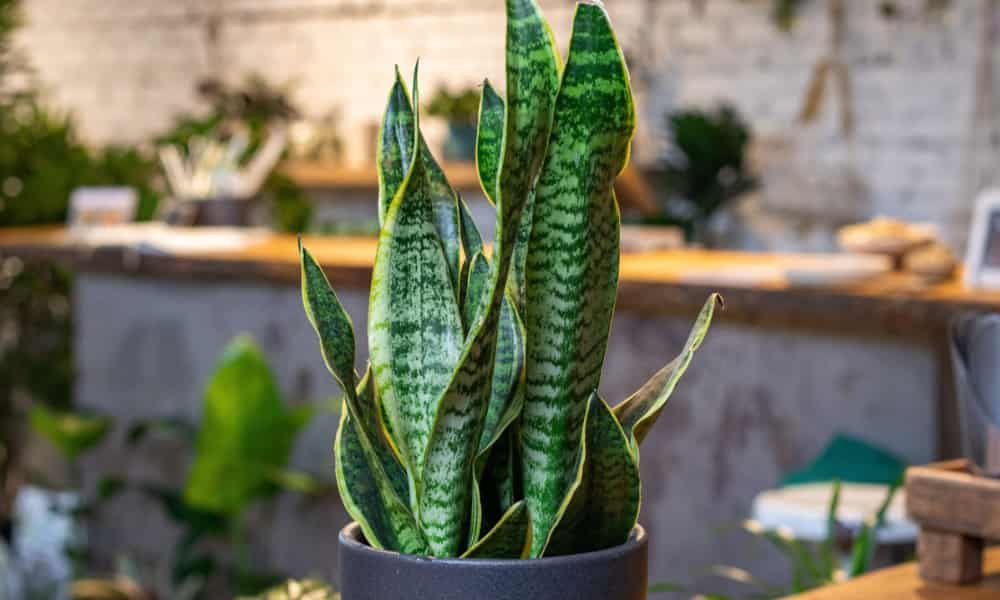
Do Snake Plants Like Humidity?
Snake plants actually prefer dry conditions over humid ones. These hardy plants thrive in humidity levels between 30% and 50%, which matches most indoor environments perfectly. High humidity can cause serious problems for snake plants. When the air is too moist, water sits on the leaves longer.
This creates the perfect environment for fungus and bacteria to grow. Too much humidity paired with poor airflow leads to rot, mushy foliage, and fungus gnats.
The good news is that snake plants handle dry air very well. They rarely struggle in low-humidity conditions. This makes them ideal for homes with heating or air conditioning systems.
Ideal Humidity Range for Snake Plants
The sweet spot for relative humidity is 40% to 60%, supporting healthy transpiration rates and overall plant vigor. Most homes naturally fall within this range. You do not need special equipment to keep your plant happy.
The snake plant’s humidity requirements are simple and flexible. If your home feels comfortable to you, it likely feels good to your plant too. A moisture meter for snake plant care can help you track soil dampness, but checking air humidity is usually unnecessary. Just remember that these plants prefer staying on the drier side rather than too wet.
Signs Your Snake Plant Is Struggling With Humidity
Watch for these warning signs:
- Yellow or brown leaves: This often means too much moisture in the air combined with overwatering
- Mushy or soft stems: High humidity causes the plant tissue to become waterlogged and weak
- Mold on soil surface: Excess moisture creates perfect conditions for mold growth
- Leaves curling inward: Very dry air can cause minor leaf curling at the tips
- Brown, crispy leaf tips: Extended periods of extremely low humidity may dry out leaf edges
- Slow growth: When humidity is too high, the plant conserves energy and stops growing
- Foul smell from soil: Rotting roots caused by excessive moisture produce bad odors
How to Adjust Humidity for Snake Plants
If you need to lower the humidity around your snake plant, try these methods. First, improve air circulation by placing a small fan nearby. This keeps air moving and prevents moisture buildup.
Second, move the plant away from bathrooms or kitchens where steam accumulates. Third, avoid misting your snake plant. Unlike tropical plants, these do not benefit from water spray.
If the humidity is extremely low and causing problems, you can place a small dish of water near the plant. Do not place the pot directly in water.
The evaporating water will add slight moisture to the air. You can also group plants, as they naturally release moisture. Remember to use a moisture meter for snake plant care to check soil wetness before watering.
Common Mistakes to Avoid
- Overwatering in humid weather: High humidity means water evaporates slowly, so reduce watering frequency
- Misting the leaves regularly: This practice increases moisture on leaves and invites fungal problems
- Placing in bathrooms without ventilation: Steamy rooms without airflow create dangerous conditions
- Using a humidifier near snake plants: These plants do not need extra humidity and suffer when exposed
- Ignoring air circulation: Still, damp air is harmful even if humidity levels seem normal
- Keeping soil constantly moist: Snake plants need dry periods between waterings to stay healthy
- Using saucers that hold water: Standing water increases local humidity and causes root rot
Benefits of Keeping the Right Humidity Level
Prevents Root Rot
Proper humidity management prevents waterlogging and promotes healthy root growth. When moisture levels stay moderate, excess water evaporates from the soil at a healthy rate. Roots can breathe and absorb nutrients properly. This keeps your plant strong from the ground up.
Reduces Pest Problems
Many common plant pests love humid conditions. Spider mites, mealybugs, and fungus gnats thrive in wet environments. By maintaining lower humidity, you make your home less attractive to these unwanted visitors. Your snake plant will stay cleaner and healthier with fewer pest attacks.
Promotes Healthy Growth
Plants grow best when conditions match their natural habitat. The sweet spot of around 40% humidity keeps foliage upright and firm while avoiding mold or crisp tips. Your snake plant will produce new leaves steadily when humidity stays in the ideal range.
Makes Leaf Care Easier
When you know how to clean snake plant leaves properly, you will notice they stay cleaner in moderate humidity. Dust does not clump as much, and water spots dry quickly. This makes maintenance simple and keeps your plant looking beautiful.
Best Places to Keep a Snake Plant Indoors
Living Rooms and Bedrooms
These rooms typically have stable humidity levels. Average household humidity is adequate for snake plants, and they release oxygen at night, making them excellent bedroom plants. Place your plant near a window with indirect light. Avoid spots right next to heating vents or air conditioners.
Home Offices
Snake plants do well in office spaces with controlled temperatures. The air conditioning in most offices creates a dry environment that these plants love. They also improve air quality while you work. Position them on a desk or shelf where they get some natural light.
Hallways and Entryways
These areas often have good air circulation and moderate humidity. Snake plants make great statement pieces in entryways. They handle temperature changes better than most plants. Just make sure they receive enough light during the day.
Away from High-Humidity Zones
Avoid placing snake plants in steamy bathrooms or right next to kitchen sinks. In bathrooms, they need good air circulation to prevent excessive moisture buildup that can lead to root rot. If you must keep one in a bathroom, ensure the room has a fan or window for ventilation.
Read Also: Top Hanging Plants Safe for Cats
Frequently Asked Questions
Does snake plant like humidity in typical homes?
Snake plants prefer low to moderate humidity between 30-50%. Most homes naturally provide this range. They do not require additional humidity and actually perform better in drier conditions than humid ones.
Do snake plants like hot humid weather conditions?
Snake plants tolerate heat well but struggle with high humidity. Hot, humid weather combined with poor airflow can cause root rot and fungal issues. Ensure good ventilation during humid summer months for best results.
Do snake plants like moisture in their soil?
Snake plants prefer their soil to dry out completely between waterings. They store water in their thick leaves and do not need constantly moist soil. Overwatering causes more problems than underwatering for these plants.
Do snake plants like hot humid weather outdoors?
While snake plants handle heat, they struggle outdoors in hot humid climates. Excessive moisture in the air and frequent rain can damage them. They perform much better in controlled indoor environments with moderate humidity levels.
Can high humidity kill my snake plant?
Yes, consistently high humidity combined with overwatering and poor air circulation can kill snake plants. The excess moisture causes root rot, fungal infections, and stem collapse. Maintaining proper humidity prevents these fatal issues.
Conclusion
Snake plants do not like high humidity. They prefer dry to moderate conditions similar to their natural desert habitat. Most homes provide perfect humidity levels without any adjustments. Watch for warning signs like yellow leaves or mushy stems that indicate moisture problems.
Avoid common mistakes such as overwatering or misting the leaves. When you maintain proper humidity and practice good care habits like learning how to clean snake plant leaves regularly, your plant will thrive for many years. These tough plants reward you with minimal effort and maximum beauty.